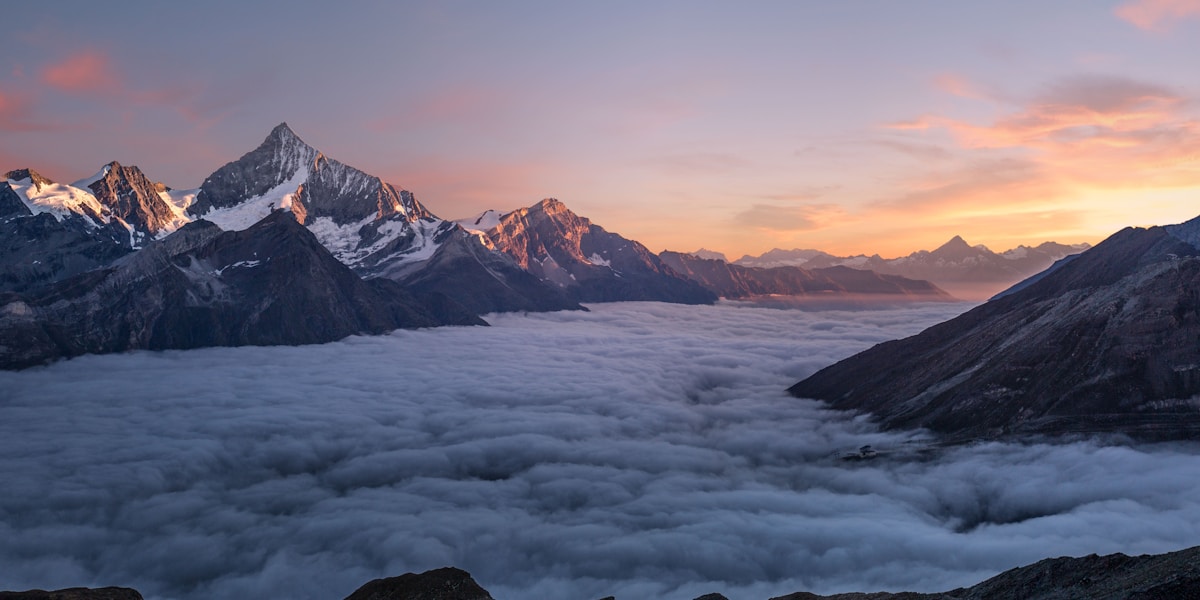
There is a moment in almost every great open world game where you crest a hill, see the landscape stretching out before you, and feel a genuine sense of wonder. That feeling does not happen by accident. It is the result of hundreds of deliberate design decisions made by teams of developers who spend years thinking about how players move through space, what draws their attention, and how to make exploration feel rewarding rather than exhausting.
The Landmark System: How Players Navigate Without Getting Lost
The first challenge of open world design is navigation. A map can be enormous, but if players cannot orient themselves within it, the world feels chaotic rather than expansive. The solution most great open world games use is the landmark system — placing visually distinctive structures, mountains, or objects at key points in the world that players can use as reference points.
Elden Ring uses the Erdtree as a constant visual anchor. No matter where you are in the Lands Between, you can see the golden glow of the Erdtree on the horizon. This single design decision makes the entire world feel coherent and navigable without a single waypoint marker. Ghost of Tsushima uses Mount Jogaku similarly — a snow-capped peak visible from most of the island that helps players maintain their sense of direction.
The best landmarks are not just navigational tools — they are also narrative symbols. The Erdtree represents the corrupted grace that drives the story. Mount Jogaku represents the unconquered north that Jin must eventually reach. Good landmark design serves multiple purposes simultaneously.
The Density Problem: How Much Is Too Much?
One of the most common criticisms of open world games is that they feel bloated — filled with repetitive activities that pad the runtime without adding meaningful content. This is the density problem, and it is one of the hardest challenges in open world design.
The solution is not simply to add more content, but to ensure that every piece of content serves a purpose. The best open world games use what designers call the rule of three: every location should offer at least three distinct things to discover — a combat encounter, a piece of lore, and a reward. When every location has this density of meaningful content, exploration feels consistently rewarding.
Elden Ring is a masterclass in this approach. Every dungeon, every ruined castle, every hidden cave contains enemies, environmental storytelling, and meaningful loot. Nothing feels like filler because everything has been placed with intention. Compare this to open world games that fill their maps with hundreds of identical collectibles, and the difference in quality is immediately apparent.
Pacing: The Rhythm of Exploration
Open world games need rhythm. If every moment is intense combat, players burn out. If every moment is peaceful exploration, they get bored. Great open world design alternates between tension and release, between challenge and reward, in a way that keeps players engaged for dozens of hours.
This pacing is achieved through zone design. Most open world games divide their maps into regions with distinct visual identities and difficulty levels. Players naturally progress from easier regions to harder ones, with the visual design of each region communicating its danger level. A lush green valley feels safe; a volcanic wasteland feels threatening. These visual cues guide player behavior without explicit instruction.
The Illusion of Freedom
Here is the dirty secret of open world design: most open world games are not as free as they appear. The world is carefully structured to guide players toward intended experiences while maintaining the illusion of complete freedom. Invisible walls, level-gated enemies, and carefully placed rewards all funnel players through the world in ways the designers intended.
The best open world games make these constraints invisible. When you feel like you are making free choices but are actually following a carefully designed path, the designers have done their job perfectly. The soulslike design philosophy takes this further by making the constraints part of the challenge — you can go anywhere, but some places will kill you until you are ready.
Conclusion
Great open world design is an invisible art. When it works, you never notice the hundreds of decisions that shaped your experience. You just feel the wonder of exploration, the satisfaction of discovery, and the sense that the world exists for its own sake rather than for yours. That feeling is the goal, and achieving it requires extraordinary craft and care.

